Planning Sky Education

Planning to study in Singapore? Ascensus Institute Singapore offers career-focused programmes in areas including Business Management, Hospitality, Tourism and Digital Technology. With certificate, diploma, advanced diploma and postgraduate-level study options, the institute provides students with different pathways for academic and professional development.

Formerly known as AAARYA Business College, Ascensus Institute focuses on developing students’ knowledge, skills and attitudes through a learning-oriented educational environment. The institute highlights experienced educators, career development and opportunities for students to achieve their learning goals.

If you are looking for Ascensus Institute Singapore courses and want to understand the available programmes, study pathways and learning approach, this guide from Planning Sky Education will help you explore the key information.

Why Choose Ascensus Institute Singapore?

Selecting the right college is an important decision for international students. Course structure, academic progression, practical learning and future study opportunities are some of the factors students commonly consider.

Ascensus Institute highlights:

· Career-focused learning

· Experienced educators

· Student learning and engagement

· Holistic education

· Business and management programmes

· Hospitality and tourism programmes

· Digital technology programmes

· Progression and articulation opportunities

The institute’s student learning model includes a Holistic Education Framework, with an emphasis on student learning and engagement. Its material also highlights the use of e-learning and digital platforms.

Ascensus Institute Singapore Courses

Ascensus Institute offers programmes across multiple study areas, allowing students to select courses according to their academic background and career interests.

1. Hospitality & Tourism Courses

Students interested in hospitality, tourism, food and beverage or guest services can explore programmes such as:

· Certificate in Food and Beverage Operations

· Certificate in Guest Services

· Diploma in Hospitality and Tourism Management

· Advanced Diploma in Hospitality and Tourism Management

· Higher Diploma in Hospitality and Tourism Studies

The programme information includes project and industrial attachment components for selected programmes.

2. Business Management Courses

Students interested in business and management can explore:

· Diploma in Business Management

· Advanced Diploma in Business Management

· Postgraduate Diploma in Management

· Higher Diploma in Business Studies

The Postgraduate Diploma in Management offers majors including:

· SME Management

· Business Analytics

· Digital Marketing

These areas can be relevant for students interested in developing knowledge in contemporary business and management fields.

3. Digital Technology Courses

For students interested in technology and digital fields, Ascensus Institute lists programmes including:

· Diploma in Digital Technology

· Foundation in Advanced Digital Technology

· Advanced Diploma in Applied Digital Technology

· International Diploma in Foundation

The availability, structure and entry requirements should be confirmed with the institute for the relevant intake.

Ascensus Institute Singapore Programme Duration

Programme duration varies according to the qualification and mode of study.

According to the institute’s programme material, examples include:

Programme Level

Indicative Duration

Certificate

4 months full-time

Diploma

6–9 months full-time, depending on programme

Advanced Diploma

6–9 months full-time, depending on programme

Postgraduate Diploma

6 months full-time

Higher Diploma

Programme-specific duration

Part-time options are also listed for several programmes.

Important: Students should confirm the latest programme duration, modules, intake dates and study mode before submitting an application.

Practical Learning & Industrial Attachment

Practical exposure can be an important part of career-oriented education.

For selected programmes, Ascensus Institute’s programme information indicates the possibility of completing a 2-month project or 6-month industrial attachment.

This structure may provide students with an opportunity to complement classroom learning with practical project or industry-related experience.

Industrial attachment availability and conditions can vary by programme, so students should confirm the applicable requirements before enrolment.

Progression Pathways at Ascensus Institute

One of the key features highlighted in the institute’s material is its progression and articulation structure.

The pathway is presented as:

Certificate → Diploma → Advanced Diploma → Bachelor’s Degree → Master’s Degree

Ascensus Institute also highlights possible articulation opportunities with partner universities in Australia, the United Kingdom and Spain.

For students planning long-term academic progression, this can be an important factor when selecting a programme.

However, articulation arrangements can depend on the specific programme, partner university and eligibility requirements. Students should obtain the latest progression information before making a decision.

Holistic Student Learning Experience

Ascensus Institute describes its educational approach through a Holistic Education Framework.

The institute’s material highlights enhanced student learning and engagement, together with e-learning and digital platforms.

For international students, a learning environment that combines academic study with skills development can be relevant when preparing for further education or future professional opportunities.

International & Industry Recognition

The institute’s published material includes the following certification information:

Certificate No.: EDU-2-2148
Validity: 05 April 2026 – 04 April 2030

Students should verify the current status, scope and relevance of any accreditation, certification or recognition applicable to their chosen programme before enrolment.

Who Can Study at Ascensus Institute Singapore?

Ascensus Institute may be of interest to students looking for programmes in:

· Business Management

· Business Analytics

· Digital Marketing

· SME Management

· Hospitality

· Tourism

· Food & Beverage Operations

· Guest Services

· Digital Technology

· Applied Digital Technology

· Management

The institute provides programmes at different academic levels, from certificate and diploma studies to postgraduate-level programmes.

Why Study in Singapore?

Singapore is an international education destination in Asia and offers students a multicultural environment.

For students interested in business, hospitality, tourism and digital technology, studying in Singapore can provide exposure to an internationally oriented environment while pursuing their chosen academic programme.

Before applying, international students should consider:

· Course suitability

· Academic entry requirements

· Tuition fees

· Living expenses

· Programme duration

· Student visa requirements

· Progression opportunities

· Future study and career plans

Ascensus Institute Singapore – Quick Facts

Feature

Details

Institution

Ascensus Institute

Former Name

AAARYA Business College

Country

Singapore

Study Areas

Business, Management, Hospitality, Tourism & Digital Technology

Study Modes

Full-time and selected part-time programmes

Learning Approach

Holistic Education Framework

Practical Component

Project / Industrial Attachment for selected programmes

Progression

Certificate → Diploma → Advanced Diploma → Higher Qualifications

Articulation

Partner universities in Australia, UK & Spain

Certification

EDU-2-2148

The institute’s brochure lists its locations at 6001 Beach Road, #20-02 Golden Mile Tower, Singapore 199589 and 10 Arumugam Road, #07-02, LTC Building A, Singapore 409957.

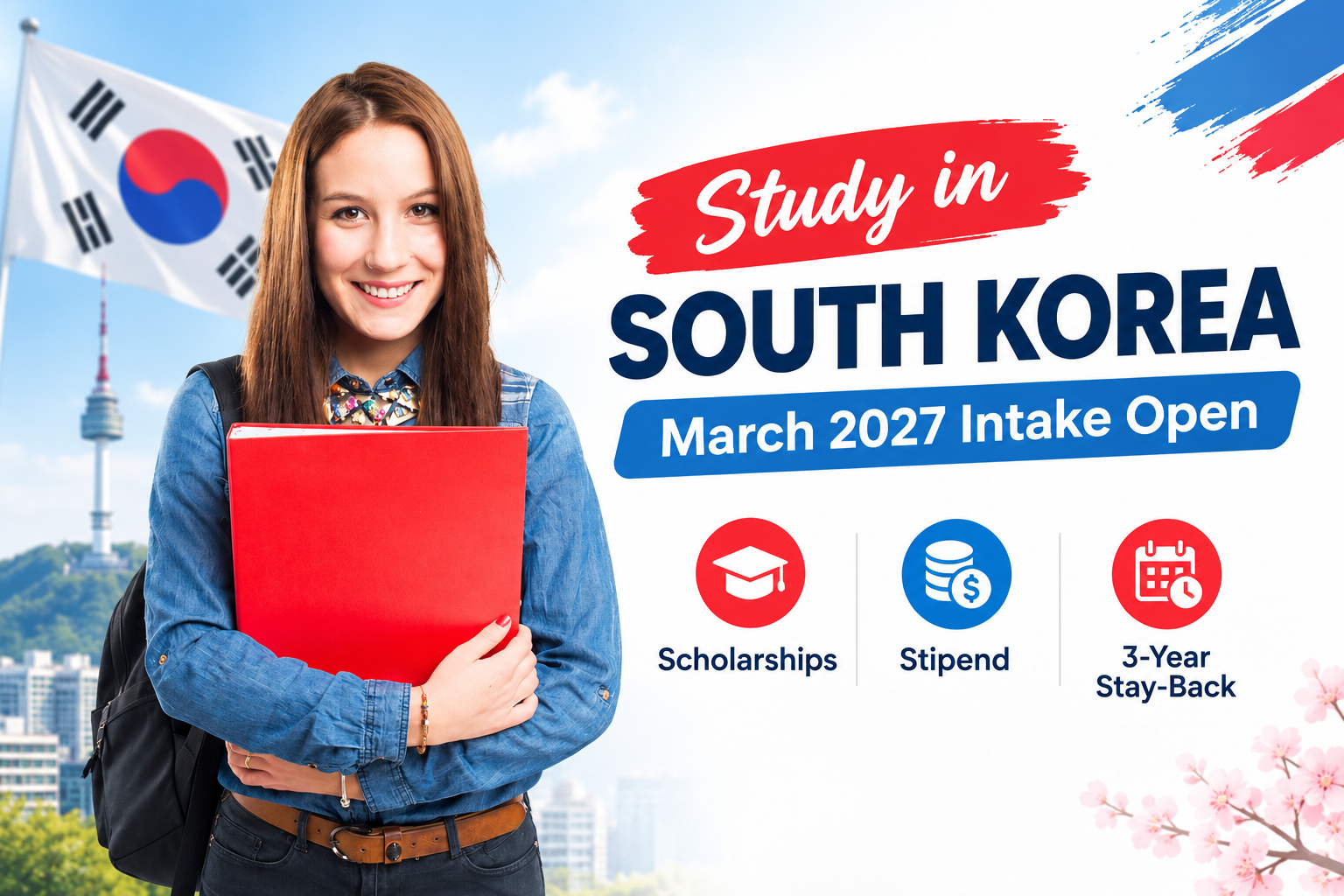
South Korea has become an increasingly popular destination for international students looking for quality education, advanced technology, global exposure, and exciting career opportunities. With the March 2027 intake now open, students can explore study opportunities in some of South Korea’s most popular cities, including Seoul, Daejeon, Goseong-gun, and many more.

From scholarships and potential stipend opportunities to international career pathways, studying in South Korea can offer students much more than a traditional overseas education experience.

Why Study in South Korea in 2027?

South Korea is globally recognised for its technological development, modern infrastructure, strong education system, and vibrant student environment. International students can experience a combination of academic learning, cultural exposure, and career development.

Here are some of the key reasons students are considering South Korea for the March 2027 intake.

1. Up to 100% Scholarship Opportunities

One of the biggest attractions for international students is the availability of scholarship opportunities.

Depending on the university, programme, academic profile, and eligibility requirements, students may be able to access scholarships that can significantly reduce their tuition expenses. Some programmes may offer scholarships of up to 100%, subject to the university’s scholarship criteria.

Students should check the specific scholarship conditions before applying, as scholarship amounts and eligibility can differ between institutions.

2. Monthly Stipend Opportunities

Eligible students may also have access to stipend opportunities, depending on the university, scholarship programme, course, or other applicable conditions.

A stipend can provide additional financial support during the study period. However, availability and amount depend on the specific programme and eligibility requirements.

3. International Transfer Opportunities

Studying in South Korea can also provide students with international academic exposure and potential pathways toward further education in other countries.

Depending on the institution and programme, students may explore transfer or progression opportunities to destinations such as the USA, Canada, and the UK.

Transfer arrangements are not automatic and depend on factors such as academic credits, university agreements, admission requirements, and the receiving institution’s policies.

4. Study in a Technology Hub

South Korea is one of the world’s leading technology-driven economies and is home to globally recognised companies and innovative industries.

Students interested in areas such as:

  • Artificial Intelligence
  • Data Science
  • Business and Management
  • Engineering
  • Information Technology
  • Hospitality
  • Media and Communication
  • Beauty and Design

can find a wide range of academic opportunities.

Studying in such an advanced technological environment can help students gain international exposure and develop skills relevant to the modern global job market.

5. Experience a Safe and Modern Study Environment

South Korea offers students a modern environment with advanced public transportation, developed infrastructure, technology-driven cities, and a unique cultural experience.

Cities such as Seoul and Daejeon provide international students with access to universities, businesses, entertainment, public facilities, and diverse cultural experiences.

As with any international destination, students should follow local laws, university guidelines, and recommended safety practices during their stay.

Popular Locations for International Students

For the March 2027 intake, students can explore study opportunities in different locations across South Korea.

Seoul

Seoul is the capital city of South Korea and one of Asia’s major centres for technology, business, education, entertainment, and innovation. Students can experience a highly developed metropolitan environment with extensive public transportation and numerous academic institutions.

Daejeon

Daejeon is widely known for research, science, and technology. Its strong academic and research environment makes it an attractive location for students interested in technology and related fields.

Goseong-gun

Goseong-gun offers a different experience from the country’s major metropolitan cities, providing students with an opportunity to experience another side of South Korean life and culture.

Students can also explore other locations and institutions depending on their academic profile and selected programme.

3-Year Stay-Back / Post-Study Opportunities

Another important factor attracting international students is the possibility of gaining additional time in South Korea after completing their studies.

Depending on the visa category, qualification, employment status, and current immigration regulations, eligible graduates may have pathways to remain in South Korea for employment or job-search purposes.

Some study pathways may provide opportunities that can extend to a three-year period, subject to the applicable immigration rules and eligibility requirements.

Students should always verify the latest visa and immigration conditions before making decisions based on post-study stay options.

Who Can Consider Studying in South Korea?

South Korea may be a suitable option for students who want:

  • International education and exposure
  • Scholarship opportunities
  • Technology-focused learning
  • A modern study environment
  • International career exposure
  • Potential progression or transfer opportunities
  • Post-study career pathways
  • An opportunity to experience Korean culture

The exact admission requirements depend on the university, course, academic qualifications, language requirements, and other factors.

Why Consider the March 2027 Intake?

The March 2027 intake provides students with an opportunity to plan their international education well in advance.

Early planning can help students:

  1. Select the right university and programme.
  2. Check admission eligibility.
  3. Explore available scholarships.
  4. Prepare academic and financial documents.
  5. Understand visa requirements.
  6. Plan accommodation and travel.
  7. Prepare for life and studies in South Korea.

Since programme availability and admission deadlines can vary, students should start the application process as early as possible.

Start Your South Korea Study Journey

If you are planning to study abroad in 2027, the South Korea March 2027 intake could be an option worth exploring.

With opportunities for scholarships, potential stipend support, technology-focused education, international exposure, and post-study pathways, South Korea continues to attract students from around the world.

However, every university and programme has its own admission requirements, scholarship conditions, and visa rules. Students should obtain updated information and confirm their eligibility before submitting an application.

Looking for Admission & Visa Guidance?

Planning to apply for the South Korea March 2027 intake?

Get professional guidance on university selection, admission applications, documentation, scholarships, and the student visa process.

Contact Planning Sky Education today to discuss your study options for South Korea March 2027.

Start planning your South Korea study journey today!

UK Student Visa Update 2026 September Trend, Interviews, Refusals & January 2027 Intake

The UK continues to remain one of the most popular study destinations for international students. With September 2026 admissions now closed for many universities and programmes, students are increasingly planning for the January 2027 UK intake.

But before applying, students want answers to some important questions: What is the current UK Student Visa trend? Are students being called for interviews? What are the common reasons for visa refusals? Are there still any opportunities for October or November 2026?

This latest UK Student Visa Update 2026 covers the key points students should know before planning their next application.

Current UK Student Visa Situation in 2026

The UK student visa process continues to involve careful assessment of an applicant’s academic background, financial circumstances, chosen course and overall study intentions.

Students applying for upcoming intakes should ensure that their application is properly prepared and that all supporting documents are accurate and consistent.

The focus should not only be on receiving an admission offer but also on preparing a strong and genuine visa application.

September 2026 UK Visa Trend

With the September 2026 intake now closed for many universities and courses, students who missed the deadline may need to consider alternative intake options.

Availability can vary significantly depending on the university, course and application timeline. Therefore, students should check programme availability and admission requirements before making a decision.

For students who are unable to secure a September place, the January 2027 intake is becoming an important option.

Are UK Student Visa Interviews Happening?

Visa interviews and credibility assessments can be an important part of the UK student visa process.

Students may be assessed on areas such as:

  • Why they selected the UK
  • Why they chose a particular university
  • Why they selected their course
  • Their academic background
  • Their future career plans
  • How they intend to finance their studies
  • Their understanding of the course and institution

Being prepared and providing genuine, consistent answers is therefore extremely important.

❌ Common Reasons for UK Student Visa Refusal

Visa refusals can happen for different reasons, and every application is assessed individually.

Some areas that may create concerns include:

  • Inconsistent information in the application
  • Weak or unclear study plans
  • Poor understanding of the selected course
  • Financial documentation issues
  • Concerns regarding the credibility of the applicant
  • Inconsistent answers during an interview or credibility assessment
  • Failure to provide required supporting documents
  • Previous immigration history or other relevant circumstances

Students should avoid relying on generic answers and should make sure their application accurately represents their individual circumstances.

What About October & November 2026 Intakes?

Although September is traditionally the major UK intake, some universities and institutions may have programmes with later start dates.

However, availability for October and November 2026 can be limited and depends on the university, course and remaining seats.

Students interested in these intakes should act quickly and verify the latest admission availability before proceeding.

January 2027 UK Intake

For students who missed September 2026, January 2027 can be an excellent opportunity to continue their UK study plans.

Depending on the university and programme, students may find opportunities across areas such as:

  • Business & Management
  • Computing & IT
  • Finance & Accounting
  • Project Management
  • Healthcare
  • Engineering
  • Hospitality & Tourism
  • Data & Technology

Course availability, entry requirements and deadlines vary by institution, so early planning is recommended.

⚠️ Limited Seats & Programme Availability

Students planning for January 2027 should not wait until the last moment.

Popular programmes can have limited availability, and universities may close applications once their capacity is reached. Starting the admission process early can give students more time to prepare their documents, receive their offer and complete the visa process.

How Should Students Prepare for the UK January 2027 Intake?

If you are planning to study in the UK, consider the following steps:

  1. Select a suitable course based on your academic background and career goals.
  2. Shortlist universities offering your preferred programme.
  3. Check entry requirements and English-language requirements.
  4. Prepare academic and financial documents.
  5. Apply for admission as early as possible.
  6. Prepare properly for any credibility or visa interview.
  7. Review your application carefully before submitting the visa application.
  8. Keep track of the latest UK immigration and university updates.

Final Takeaway

The UK remains a popular destination for international students, but students should approach the visa process with proper preparation rather than relying only on admission offers.

With September 2026 admissions closed for many programmes, January 2027 is now an important intake for students planning their UK study journey. Limited opportunities may also be available for selected October and November 2026 programmes.

If you are planning to apply for the UK October, November 2026 or January 2027 intake, getting professional guidance can help you understand available courses, admission requirements and the visa preparation process.

📍 Planning Sky Education

Sector 8-C, Chandigarh

Planning Sky Education provides guidance related to UK university admissions, student visa applications, upcoming intakes and visa preparation.

👉 Subscribe to PSE Official YouTube Channel for the latest UK study visa updates, admission news, visa trends and immigration information.

Disclaimer: UK visa policies, university availability, interview procedures and admission requirements can change. Students should verify the latest requirements before submitting an application.

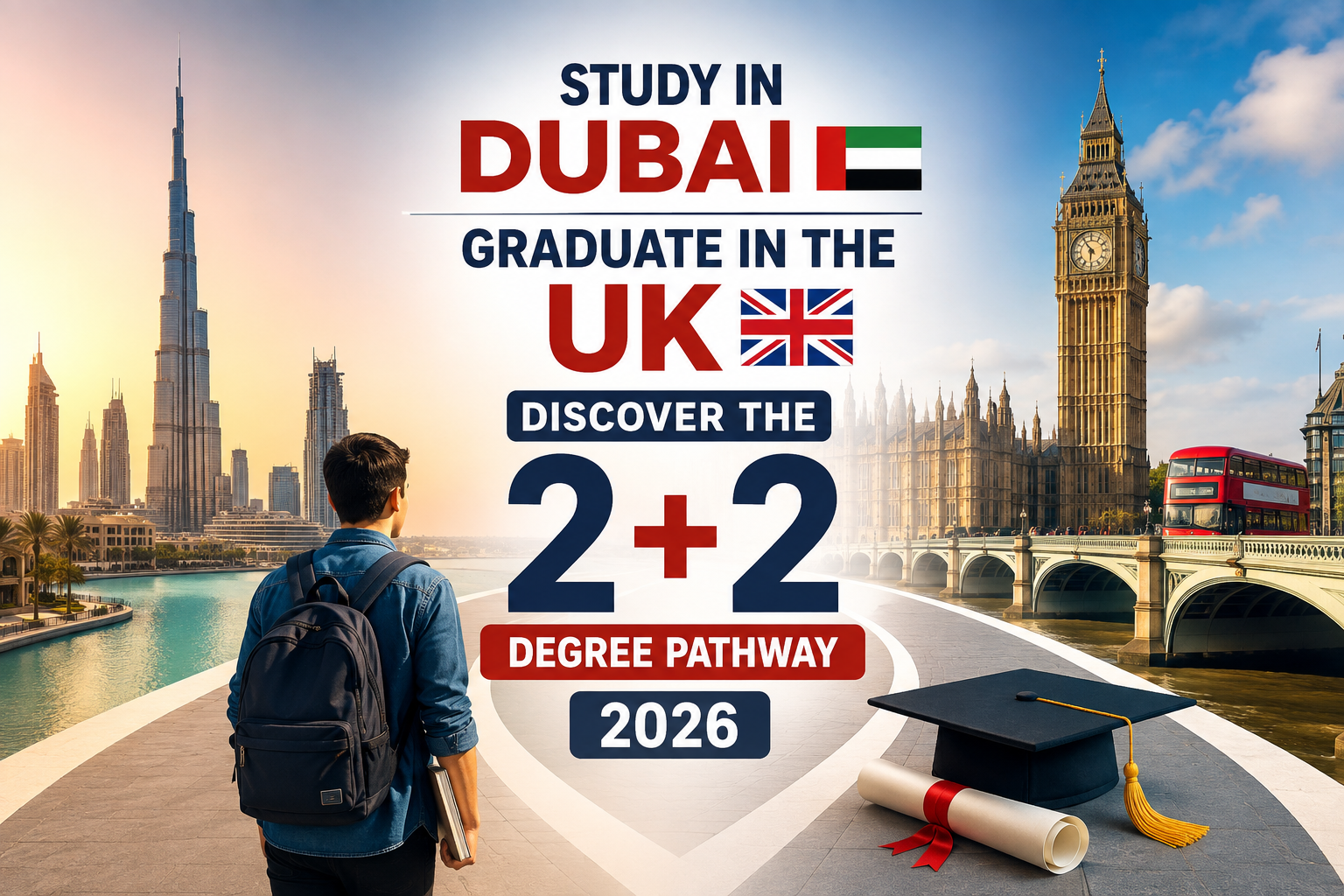
Are you looking for an international education route that combines the modern lifestyle of Dubai with the opportunity to earn a UK degree? The 2+2 degree pathway can offer an exciting option for students who want to begin their academic journey in Dubai and progress to the UK for the later stage of their degree.

What Is the 2+2 Degree Pathway?

A 2+2 pathway generally allows students to complete the first two years of an undergraduate programme in Dubai and then progress to a partner university or institution in the UK for the remaining two years.

This model can provide students with international exposure while allowing them to experience two different education environments during their degree journey. However, transfer arrangements, course availability and progression requirements vary by institution, so students should verify the exact pathway before applying.

Why Start Your Studies in Dubai?

Dubai has become a popular destination for international students because of its modern infrastructure, multicultural environment and growing education sector.

Students can benefit from:

  • A multicultural international environment
  • Access to internationally focused programmes
  • Exposure to a major global business hub
  • Convenient international connectivity
  • Modern facilities and lifestyle
  • Opportunities to study in an English-medium environment

Starting in Dubai can also give students time to adapt to an international academic environment before progressing to the UK.

Why Complete Your Degree in the UK?

The UK is home to globally recognised universities and has a long-established higher education system. Completing the final stage of a pathway in the UK can provide valuable international academic and cultural exposure.

Depending on the university and programme, students may gain:

  • A UK university qualification
  • International academic experience
  • Greater exposure to the UK professional environment
  • Opportunities to build an international network
  • Preparation for future career opportunities

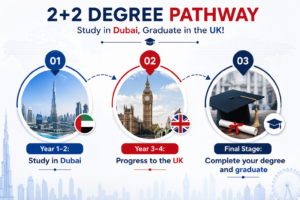
How Does the 2+2 Pathway Work?

A typical pathway may look like this:

The exact structure depends on the university, course and transfer agreement. Students should confirm credit transfer, progression criteria, tuition fees and UK admission requirements before making a decision.

Is a 2+2 Pathway a Cost-Effective Option?

For some students, beginning their degree in Dubai may provide a different financial structure compared with completing all four years in the UK. However, the total cost depends on tuition fees, accommodation, living expenses, travel, visa requirements and the specific universities involved.

Therefore, students should compare the complete four-year cost, rather than looking only at the initial tuition fee.

Who Should Consider This Pathway?

The 2+2 route may be suitable for students who:

  • Want international study experience
  • Are interested in studying in both Dubai and the UK
  • Prefer a structured transfer pathway
  • Want exposure to different cultures and academic systems
  • Are planning a long-term international career

Plan Your 2026 Study Journey

The Dubai-to-UK 2+2 pathway can be an interesting option for students seeking a more international undergraduate experience. With the right course and university, students can begin their journey in Dubai and potentially progress to the UK to complete their degree.

Before applying, always check the specific university’s progression agreement, eligibility criteria, fees, visa requirements and degree-awarding institution.

Ready to Explore Your Options?

Planning Sky Education can help students understand available Dubai-to-UK pathway options, assess eligibility and explore suitable courses and institutions for the 2026 intake.


Contact Us

Are you planning to study in Europe in 2026? 🇸🇮 Slovenia can be an attractive option for international students looking for European education, career opportunities, and the experience of living in the Schengen Area.
With its beautiful landscapes, strategic location, modern infrastructure, and growing international education sector, Slovenia offers students an opportunity to experience European life while pursuing higher education.

Why Study in Slovenia?

Slovenia is a member of the European Union and Schengen Area, making it an interesting destination for students who want European exposure.

Some key advantages include:

  • European education and international exposure
  • A variety of undergraduate and postgraduate programs
  • Multicultural European environment
  • Opportunities to gain international work experience
  • Convenient access to other Schengen destinations
  • Potential to manage part of your living expenses through permitted employment

Is IELTS Required to Study in Slovenia?

One of the major attractions for some students is the possibility of applying without IELTS, depending on the university, course, and previous educational background.

Some institutions may accept alternative evidence of English proficiency, such as previous education completed in English or other recognized forms of language assessment.

However, IELTS is not automatically waived for every student or every university. Requirements can differ significantly between institutions and programs, so students should verify the specific admission criteria before applying.

Work While Studying in Slovenia

Students often look for countries where they can combine their studies with employment. Slovenia provides opportunities for international students to work under applicable rules and arrangements.

Working while studying can help students:

  • Gain international work experience
  • Develop professional and communication skills
  • Build a local professional network
  • Contribute toward everyday living expenses

About “Unlimited Working Hours”

The phrase “Unlimited Working Hours” should be used carefully in marketing content. Students’ employment rights depend on their residence status, student status, employment arrangement, and current Slovenian regulations. It should not be interpreted as unrestricted employment without applicable legal conditions.

Study, Work & Earn in Europe

Studying in Slovenia can give students the opportunity to experience both academic and professional life in Europe. Depending on their eligibility and permitted working arrangements, students may work alongside their studies and gain practical experience.

This combination of education + international work exposure can be valuable for students planning an international career.

Schengen Visa & Travel Benefits

Slovenia is part of the Schengen Area. Students holding the appropriate Slovenian residence documentation may be able to travel within other Schengen countries, subject to Schengen rules and the conditions attached to their residence status.

This gives students the opportunity to explore destinations across Europe during their study period.

From Italy and Austria to Croatia and Hungary, Slovenia’s central European location makes it particularly attractive for students who enjoy travelling and experiencing different cultures.

Slovenia’s Location Advantage

Slovenia is located in Central Europe and shares borders with:

🇮🇹 Italy
🇦🇹 Austria
🇭🇺 Hungary
🇭🇷 Croatia

This strategic location provides students with excellent exposure to different European cultures, languages, and business environments.

Study in Slovenia & Future Career Opportunities

For students thinking beyond graduation, Slovenia can offer opportunities to develop an international academic and professional profile.

Students can focus on:

  • Building relevant professional skills
  • Gaining work experience
  • Developing European connections
  • Exploring career opportunities after graduation
  • Understanding available residence options for their individual circumstances

🇪🇺 What About Permanent Residency?

Studying in Slovenia does not automatically guarantee PR. Permanent residence eligibility depends on factors such as qualifying residence, employment, income, legal status, and the immigration rules applicable at the time.

Therefore, students should view Slovenia as a potential study-to-career pathway, rather than assuming that PR is guaranteed.

📌 Who Should Consider Slovenia?

Slovenia may be worth considering for students who:

✅ Want to study in Europe
✅ Are looking for alternatives to traditional study destinations
✅ Want international academic exposure
✅ Are interested in gaining European work experience
✅ Want access to the Schengen environment
✅ Prefer a centrally located European country
✅ Want to explore long-term career opportunities in Europe

🚀 Start Your Slovenia 2026 Journey

If you’re planning to study abroad in 2026, Slovenia could be an option worth exploring. Choosing the right university and course is important because admission, English-language, financial, residence, and employment requirements can vary.

Planning Sky Education can assist students with course selection, university applications, documentation, admission guidance, and visa assistance.

🇸🇮 Planning to Study in Slovenia in 2026? Start your application journey today!

📞 Contact Planning Sky Education for expert guidance on Slovenia study options.

🔑 Important Disclaimer

Admission requirements, IELTS exemptions, student employment conditions, residence permits, travel rights, and permanent-residence rules can change and vary according to the university, course, nationality, and individual circumstances. Always verify the latest requirements with the relevant Slovenian authorities and educational institution before making an application.

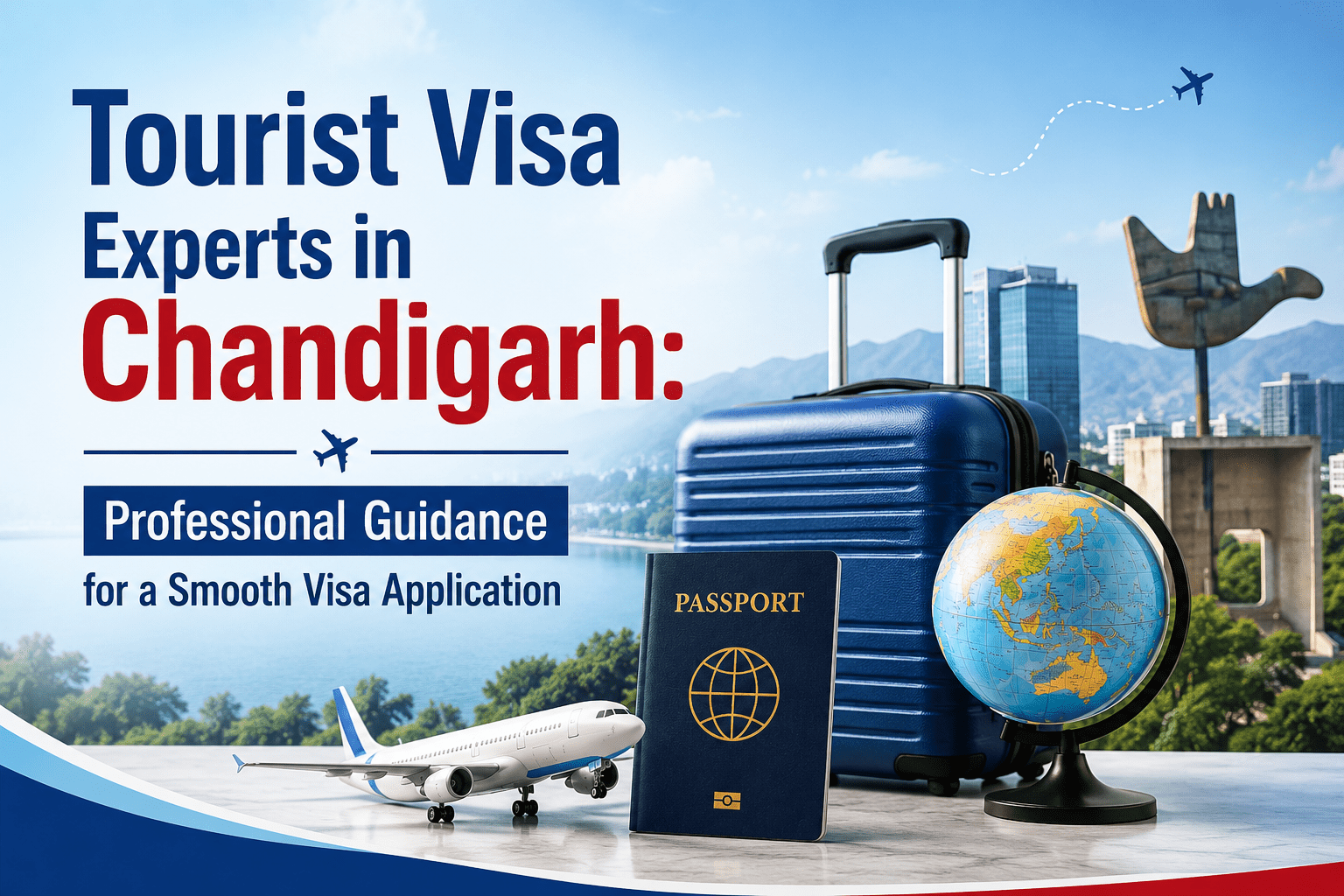
Tourist Visa Experts in Chandigarh Professional Guidance for a Smooth Visa Application

Planning an international holiday, visiting family or friends abroad, or exploring a new destination is exciting. However, the tourist visa application process can sometimes be confusing, especially when you are unsure about documentation, financial requirements, application forms, or visa procedures.

For travelers looking for tourist visa experts in Chandigarh, Planning Sky Education provides professional guidance and documentation assistance to help applicants approach the visa process with greater clarity and confidence.

Why Is Professional Tourist Visa Guidance Important?

Every country has its own tourist visa requirements, eligibility criteria, documentation standards and application procedures. A document that may be important for one destination may not be required for another.

An experienced visa consultant can help you understand the requirements applicable to your destination and applicant profile, reducing the chances of avoidable mistakes.

Professional guidance can be particularly useful when you need help with:

  • Understanding tourist visa requirements
  • Preparing supporting documents
  • Reviewing financial documentation
  • Completing visa application forms
  • Preparing travel itineraries
  • Organizing accommodation and invitation documents
  • Understanding appointment and biometric procedures
  • Preparing for visa interviews, where applicable
  • Identifying inconsistencies or missing information before submission

Tourist Visa Assistance in Chandigarh

Planning Sky Education has been providing overseas education and visa-related assistance since 2017. Our team assists applicants with tourist and visitor visa applications for a range of international destinations, subject to the current requirements and eligibility criteria of each country.

Our objective is to make the application process more organized and easier to understand while ensuring that applicants submit genuine and relevant documentation.

Popular Tourist Visa Destinations

Depending on your travel purpose and eligibility, our team can provide guidance for popular destinations including:

🇨🇦 Canada Tourist Visa

Canada is a popular destination for tourists visiting family and friends, sightseeing and exploring the country’s major attractions. Applicants generally need to demonstrate their purpose of travel, financial ability and intention to comply with the conditions of their temporary stay.

🇺🇸 USA Tourist Visa

The USA attracts visitors for tourism, family visits, holidays and other short-term purposes. Applicants should be prepared to explain their travel plans and demonstrate their circumstances clearly.

🇬🇧 UK Tourist Visa

The UK Standard Visitor route is commonly used for short-term tourism and visiting family or friends. A well-organized application should clearly explain the purpose and planned duration of the visit.

🇪🇺 Schengen Tourist Visa

A Schengen visa can allow eligible travelers to visit participating European countries within the conditions of the visa. Documentation and application procedures depend on the applicant’s itinerary and circumstances.

🇦🇺 Australia Visitor Visa

Australia is another popular destination for Indian travelers. Applicants may need to provide evidence supporting their travel purpose, financial circumstances and temporary stay.

🇳🇿 New Zealand Visitor Visa

Applicants traveling to New Zealand for tourism or visiting family and friends need to meet the relevant visitor visa requirements and provide supporting evidence.

🇰🇷 South Korea Tourist Visa

South Korea has become increasingly popular among travelers interested in Korean culture, food, entertainment and tourism. Applicants should prepare documentation according to the latest requirements applicable to their circumstances.

Documents Commonly Required for a Tourist Visa

The exact requirements depend on the destination and individual circumstances. Commonly requested documents may include:

  • Valid passport
  • Recent photographs
  • Completed visa application form
  • Bank statements
  • Income Tax Returns, where applicable
  • Employment or business documents
  • Leave approval or employment evidence
  • Travel itinerary
  • Hotel or accommodation details
  • Flight reservation or proposed travel details, where required
  • Travel insurance, where applicable
  • Invitation letter, if relevant
  • Sponsor’s documents, if applicable
  • Evidence of previous international travel

Not every applicant will require every document listed above. The correct documentation should be determined according to the destination’s current official requirements and the applicant’s circumstances.

How Planning Sky Education Can Help

At Planning Sky Education, we follow a structured approach to tourist visa assistance.

1. Profile Discussion

We begin by understanding your destination, purpose of travel, proposed duration and basic circumstances.

2. Document Assessment

Our team reviews the documents available to you and helps identify relevant supporting evidence required for your application.

3. Application Assistance

We provide guidance regarding the application form and help ensure that the information provided is consistent with your supporting documents.

4. Documentation Organization

A properly organized application can make it easier for the reviewing authority to understand your circumstances and travel plans.

5. Appointment & Submission Guidance

Where appointments, biometrics or other procedures are required, applicants receive guidance regarding the applicable process.

6. Pre-Submission Review

Before submission, applicants can review their application and supporting documents to identify potential gaps or inconsistencies.

Common Tourist Visa Mistakes to Avoid

Even a genuine traveler can weaken an application through avoidable errors. Some common mistakes include:

Incomplete documentation: Missing relevant supporting evidence can make it difficult to assess an application.

Inconsistent information: Details in the application form should match the supporting documentation.

Unclear travel purpose: Your proposed trip should have a logical and credible purpose.

Insufficient financial evidence: Applicants should provide appropriate evidence of their ability to support the proposed trip.

Incorrect information: Never submit false, misleading or altered documents.

Ignoring destination-specific requirements: Visa requirements vary significantly between countries and can change over time.

Can a Tourist Visa Consultant Guarantee Approval?

No legitimate consultant can guarantee tourist visa approval.

The final decision rests with the relevant embassy, consulate or immigration authority. Professional visa assistance is intended to help applicants understand requirements, organize documentation and submit a more complete and accurate application.

At Planning Sky Education, we believe in providing transparent guidance rather than making unrealistic promises.

Why Choose Planning Sky Education?

Choosing the right visa consultant can make the application process easier to navigate.

Planning Sky Education offers:

  • Professional visa guidance
  • Personalized document assessment
  • Application assistance
  • Destination-specific guidance
  • Documentation organization
  • Pre-submission review
  • Transparent communication
  • Experienced consultancy support since 2017

Our goal is to help travelers understand the process and prepare their applications responsibly.

Looking for Tourist Visa Experts in Chandigarh?

If you are planning an international holiday and searching for tourist visa experts in Chandigarh, Planning Sky Education can assist you in understanding the application process and preparing the documentation relevant to your destination.

Whether you are planning to visit the UK, USA, Canada, Australia, New Zealand, Europe, South Korea or another international destination, getting the right information before submitting your application can help you avoid unnecessary mistakes.

Start Your Tourist Visa Journey With Planning Sky Education

Planning an overseas trip starts long before you board the flight. Make sure your visa application is properly understood, accurately completed and supported by genuine documentation.

Planning Sky Education
Tourist Visa & Overseas Education Assistance
📍 Chandigarh
📞 +91 70091 00779

Planning your next international trip? Get professional tourist visa guidance from Planning Sky Education.

Frequently Asked Questions

What does a tourist visa expert do?

A tourist visa expert helps applicants understand applicable visa requirements, prepare supporting documentation, complete application-related formalities and navigate the submission process.

Which countries can I apply for a tourist visa to?

Tourist visa requirements vary by country. Popular destinations for Indian travelers include the USA, Canada, UK, Australia, New Zealand, Schengen countries, South Korea, Japan, Singapore and several other countries.

How much bank balance is required for a tourist visa?

There is no single bank-balance amount applicable to every tourist visa. Financial requirements depend on the destination, duration of travel, accommodation arrangements and the applicant’s individual circumstances.

Can I get a tourist visa without travel history?

Having previous international travel may be useful in some applications, but the absence of travel history does not automatically mean that you cannot apply. Each application is assessed according to the relevant requirements and individual circumstances.

How early should I apply for a tourist visa?

The ideal application timeline varies by country and visa type. It is advisable to check the latest official processing times and apply sufficiently early before your intended travel date.

Is tourist visa approval guaranteed through a consultant?

No. Visa approval cannot legitimately be guaranteed by a consultant. The final decision is made by the relevant immigration authority, embassy or consulate.

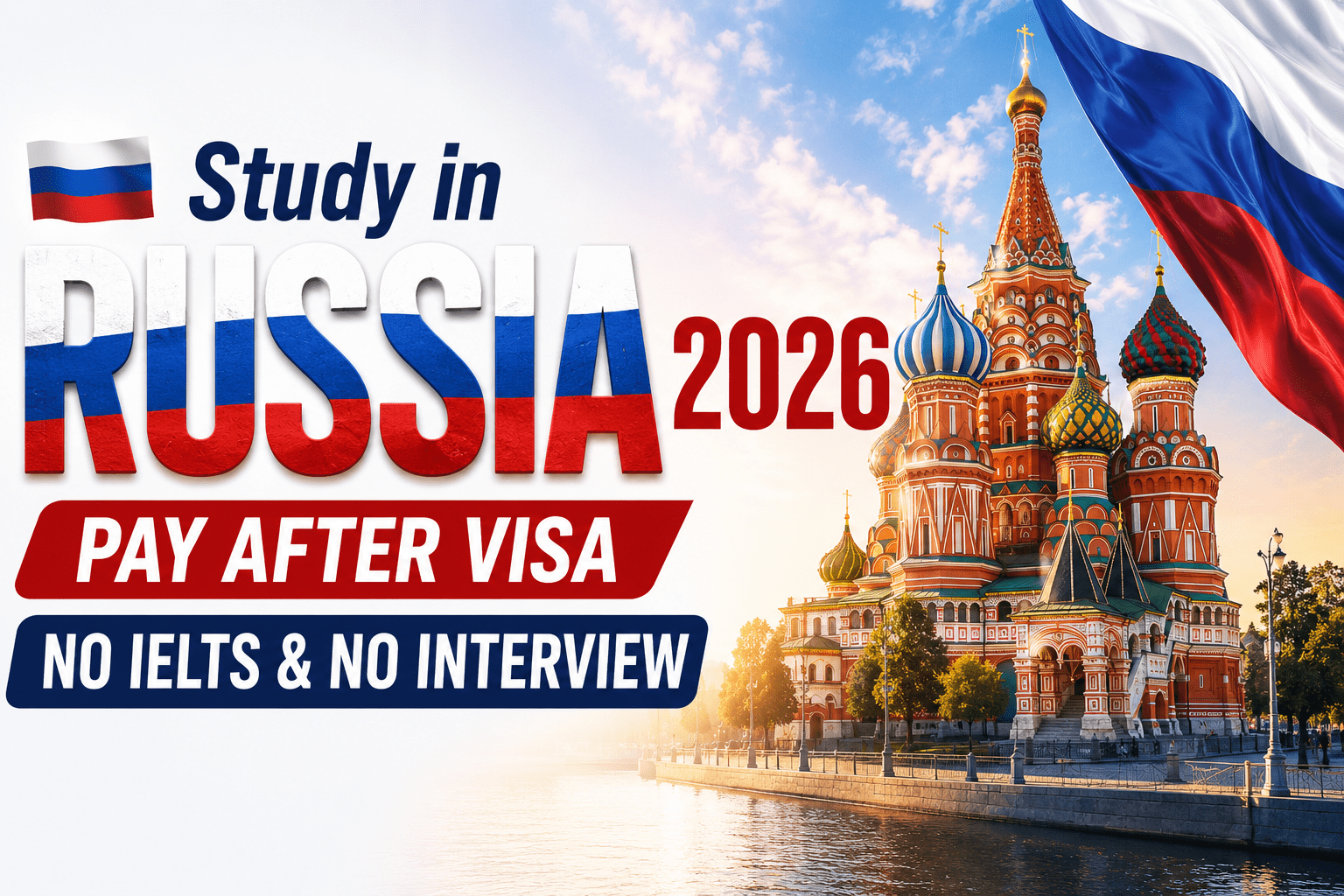
Study in Russia 2026 Pay After Visa, No IELTS & No Interview

Russia is becoming an increasingly interesting destination for international students looking for affordable higher education, diverse academic programs, and an alternative to traditional study-abroad destinations. For 2026, students can explore undergraduate, postgraduate, medical, engineering, business, IT and other programs at Russian universities.

One of the major attractions for some applicants is that certain universities or admission routes may accept students without IELTS, depending on the course and the institution’s language requirements. Similarly, interview requirements and payment schedules can vary by university and applicant profile. Therefore, students should always confirm the exact conditions before applying.

Important: “No IELTS,” “No Interview,” and “Pay After Visa” are not universal rules for every Russian university. These are admission or payment conditions that may be available for specific institutions/programs. Always verify the offer and payment terms before making any payment.

🎓 Why Study in Russia in 2026?

Russia offers a wide range of universities and academic programs for international students. The official Education in Russia platform allows international applicants to explore programs and apply to Russian universities.

Some potential advantages include:

  • 🎓 Wide range of Bachelor’s and Master’s programs
  • 💰 Competitive tuition fees at many universities
  • 🏥 Popular options for Medicine and healthcare
  • 💻 Engineering, IT and technology programs
  • 🌍 International student communities
  • 🗣️ English-taught programs available at selected universities
  • 🇷🇺 Opportunity to experience Russian language and culture
  • 🏫 Multiple university and city options

📚 Popular Courses to Study in Russia

International students can consider programs in several fields, including:

Medicine & Healthcare
  • MBBS / General Medicine
  • Dentistry
  • Pharmacy
  • Nursing
  • Public Health
Engineering & Technology
  • Computer Science
  • Information Technology
  • Mechanical Engineering
  • Civil Engineering
  • Electrical Engineering
  • Artificial Intelligence
Business & Management
  • Business Administration
  • International Business
  • Management
  • Finance
  • Economics
  • Marketing
Other Fields
  • Architecture
  • Hospitality & Tourism
  • Biotechnology
  • Natural Sciences
  • Social Sciences

The availability of English-taught programs, entry requirements and tuition fees depends on the university and individual course.

🇬🇧 Can You Study in Russia Without IELTS?

In some cases, yes. Certain universities and programs may offer admission routes that do not require IELTS or another international English-language test.

However, this does not mean that every Russian university accepts students without proof of English proficiency.

Depending on the institution, applicants may be assessed through:

  • Previous education in English
  • Medium of Instruction (MOI) documentation
  • University-specific English assessment
  • Internal entrance examination
  • Other accepted proof of language ability

Students should check the specific requirements of their chosen university before applying.

🎤 Is There No Interview for Russia Admission?

Some admission routes may not require a traditional interview, but this depends on the university, course and applicant profile.

Applicants may still be required to complete entrance examinations, document verification or other university procedures.

Therefore, it is better to consider “no interview for selected programs” rather than assuming that every Russian university has no interview requirement.

💳 What Does Pay After Visa Mean?

One of the most attractive offers promoted by some education providers is “Pay After Visa.”

Under such an arrangement, the student may not have to pay the complete tuition amount before the visa decision. Instead, the payment may be scheduled after the visa is issued.

However, this is not a standard Russian government visa rule. Payment arrangements are determined by the university, education provider or specific admission agreement.

Before paying any application or service fee, students should ask for written confirmation of:

  • Total tuition fees
  • Initial deposit, if any
  • Payment deadline
  • Refund policy
  • What happens if the visa is refused
  • University name and program
  • Any additional service charges

Russia Student Visa 2026

International students who require a visa generally need to obtain a Russian study visa.

According to Russia’s Ministry of Foreign Affairs, a study visa is issued based on an invitation issued through the Russian Ministry of Internal Affairs. The required documentation can include a passport, visa application, photographs, insurance and other documents specified by the consular authorities.

Typical Process

Step 1: Select your university and course
⬇️
Step 2: Check eligibility and admission requirements
⬇️
Step 3: Submit your academic and personal documents
⬇️
Step 4: Receive admission/offer and required invitation
⬇️
Step 5: Apply for the Russian student visa
⬇️
Step 6: Travel to Russia after visa approval
⬇️
Step 7: Complete university registration after arrival

The official Education in Russia platform describes the general process as choosing a program and universities, submitting an online application and documents, completing selection, and then receiving an invitation for study and a study visa.

📄 Documents Required

Requirements vary according to the university and visa application, but students may commonly need:

  • Valid passport
  • Academic certificates and transcripts
  • Passport-size photographs
  • University application form
  • Admission/offer letter
  • Russian university invitation
  • Medical documents, where required
  • Health/travel insurance
  • Visa application form
  • Proof of other required documents

The Russian consular authorities state that study-visa applicants need an invitation and other specified visa documents.

💰 Tuition Fees & Living Costs

The overall cost of studying in Russia depends heavily on the university, course and city.

Medical and specialized programs can have different fee structures from business, engineering or humanities programs. Similarly, living costs can vary significantly between major cities and smaller university towns.

Students should calculate:

  • Tuition fees
  • Accommodation
  • Food
  • Transportation
  • Health insurance
  • Visa-related expenses
  • University registration fees
  • Travel expenses
  • Personal expenses

Rather than choosing a university based only on the lowest tuition fee, students should compare the total cost of education and living.

🏙️ Popular Russian Student Cities

Students may find universities in several major Russian cities, including:

  • Moscow
  • Saint Petersburg
  • Kazan
  • Novosibirsk
  • Yekaterinburg
  • Tomsk
  • Samara
  • Rostov-on-Don

Each city offers a different combination of universities, living costs, weather, transportation and student lifestyle.

Why Consider Russia Instead of Other Countries?

For students comparing different study-abroad destinations, Russia can offer an alternative combination of:

✅ Multiple academic disciplines
✅ Competitive options at selected universities
✅ Medical and engineering programs
✅ English-taught opportunities at selected institutions
✅ Diverse student communities
✅ Different tuition and living-cost options
✅ Russian-language learning opportunities

The right choice depends on your academic background, budget, preferred course and long-term career plans.

⚠️ Important Things Students Should Check Before Applying

Before making a final decision, applicants should carefully verify:

  1. University accreditation and recognition
  2. Course language
  3. Total tuition fees
  4. Refund policy
  5. Visa requirements
  6. University invitation process
  7. Accommodation availability
  8. Medical and insurance requirements
  9. Payment schedule
  10. Whether IELTS is actually required for your chosen course

Most importantly, don’t assume that a promotional statement such as “No IELTS,” “No Interview” or “Pay After Visa” applies to every university.

How to Apply for Russia 2026

If you are planning to study in Russia in 2026, start by identifying your preferred course and university.

Recommended Application Strategy

1. Choose your course
Select a program based on your academic background and career goals.

2. Shortlist universities
Compare tuition, location, course language and admission requirements.

3. Check English requirements
Confirm whether IELTS, MOI or another form of English proficiency is accepted.

4. Prepare your documents
Keep your passport, certificates, transcripts and other required documents ready.

5. Submit your application
Apply through the university or the appropriate official admission route.

6. Receive your admission and invitation
The study-visa process requires the relevant invitation documentation.

7. Apply for your student visa
Follow the latest requirements of the Russian consular authorities.

8. Prepare for departure
Arrange accommodation, travel and other essential requirements after visa approval.

🇷🇺 Study in Russia 2026 – Is It Right for You?

Russia can be worth considering if you are looking for international education, a wide choice of academic disciplines and potentially more affordable study options.

For students interested in the No IELTS, No Interview or Pay After Visa route, the most important step is to verify whether these conditions apply specifically to your chosen university and course.

The official Russian government platforms should be checked for the latest admission and visa requirements before making any final decision.

📞 Planning to Study in Russia?

If you are considering the 2026 intake, get your academic profile assessed before applying. A proper evaluation can help identify suitable universities, available courses, admission requirements, estimated costs and the appropriate visa process.

Start your Russia study journey with the right information and make an informed decision about your university and course.

Top 10 Mistakes That Lead to Tourist Visa Rejection

Planning an international vacation is exciting, whether you’re visiting family, exploring a new country, or attending a special event. However, one of the biggest disappointments travelers face is receiving a tourist visa refusal.

Many visa applications are refused because of avoidable mistakes rather than a lack of eligibility. Immigration authorities carefully review every application to determine whether the applicant meets the visa requirements of the destination country.

In this guide, we’ll discuss the top 10 mistakes that can lead to tourist visa rejection and share practical tips to help you submit a stronger application.

Why Do Tourist Visas Get Rejected?

Every country has its own immigration rules and assessment criteria. Visa officers evaluate applications based on the documents provided, the purpose of travel, financial capability, travel history, and whether the applicant appears likely to comply with the conditions of the visa.

Providing complete, truthful, and well-organized information is essential.

1. Incomplete or Incorrect Documentation

One of the most common reasons for tourist visa rejection is submitting incomplete or inaccurate documents.

Missing even a single required document may delay processing or result in refusal.

Common documentation mistakes include:

  • Missing passport copies
  • Incomplete application forms
  • Missing photographs
  • Incorrect travel itinerary
  • Missing financial documents
  • Unsigned forms

How to Avoid It

✔ Carefully review the document checklist provided by the embassy or visa application center.

✔ Double-check every document before submission.

2. Insufficient Financial Proof

Visa officers need to see that you can afford your trip without relying on unauthorized employment.

If your financial documents do not demonstrate sufficient funds for your travel and stay, your application may be refused.

Examples include:

  • Low account balance
  • Large unexplained deposits
  • Missing bank statements
  • No proof of income

How to Avoid It

Provide:

  • Recent bank statements
  • Salary slips (if employed)
  • Income Tax Returns (if applicable)
  • Sponsorship documents (if someone else is funding your trip)

3. Unclear Purpose of Travel

Your application should clearly explain why you are visiting the country.

A vague or inconsistent travel purpose may create doubts during assessment.

Examples include:

  • No travel itinerary
  • No hotel bookings (where appropriate)
  • Missing invitation letter (if visiting family or friends)
  • Conflicting travel plans

How to Avoid It

Prepare:

  • A clear travel itinerary
  • Hotel reservations (where applicable)
  • Return flight itinerary (if requested)
  • Invitation letter for family visits

4. Weak Ties to Your Home Country

Visa officers often consider whether an applicant has reasons to return home after the visit.

Strong ties may include:

  • Employment
  • Business ownership
  • Family responsibilities
  • Property ownership
  • Ongoing education

How to Avoid It

Provide supporting documents that demonstrate your commitments in your home country.

5. Inconsistent Information

Any mismatch between your application form and supporting documents can raise concerns.

Examples:

  • Different employment details
  • Different travel dates
  • Incorrect passport information
  • Mismatched financial records

How to Avoid It

Review your application carefully before submission and ensure all documents are consistent.

6. Poor Travel History (Where Relevant)

Although first-time travelers can receive tourist visas, a lack of previous international travel may sometimes lead to additional scrutiny depending on the destination and overall application.

How to Strengthen Your Application

If you have previous travel history:

  • Include copies of previous visas
  • Include passport stamps

If you are a first-time traveler:

  • Ensure every other part of your application is well prepared.

7. Providing False or Misleading Information

Submitting fake documents or providing inaccurate information is one of the most serious mistakes an applicant can make.

Examples include:

  • Fake bank statements
  • False employment letters
  • Incorrect educational information
  • Fake hotel bookings
  • Altered documents

Such actions can result in visa refusal and may affect future applications.

How to Avoid It

Always provide genuine and verifiable documents.

8. Ignoring Country-Specific Visa Requirements

Each country has its own documentation and eligibility requirements.

For example, some destinations may require:

  • Travel insurance
  • Biometric enrollment
  • Medical examinations
  • Additional financial proof
  • Appointment confirmations

How to Avoid It

Always check the latest official requirements for the country you are visiting before applying.

9. Poorly Prepared Visa Interview (If Required)

Some countries require applicants to attend a visa interview.

Common interview mistakes include:

  • Giving inconsistent answers
  • Not understanding your travel plan
  • Carrying incomplete documents
  • Appearing unsure about your purpose of visit

How to Prepare

Practice answering common questions honestly and carry all required supporting documents.

10. Previous Immigration or Visa Violations

Past immigration issues may affect future visa applications.

Examples include:

  • Overstaying a previous visa
  • Violating visa conditions
  • Working on a tourist visa
  • Previous deportation

What You Can Do

If you have previous immigration issues, disclose them honestly if required and provide any requested supporting explanations.

Bonus Tips to Improve Your Tourist Visa Application

To strengthen your application:

  • Apply well before your planned travel date.
  • Complete the application form carefully.
  • Ensure your passport is valid for the required period.
  • Organize your documents neatly.
  • Keep copies of everything you submit.
  • Follow all official instructions provided by the embassy or visa application center.

Common Tourist Visa Documents

Although requirements vary by country, applicants are commonly asked to provide:

  • Valid passport
  • Passport-size photographs
  • Visa application form
  • Bank statements
  • Employment or business proof
  • Income proof
  • Hotel bookings (if applicable)
  • Flight itinerary (if applicable)
  • Travel insurance (where required)
  • Invitation letter (for family visits, if applicable)

Always refer to the destination country’s official guidance for the exact list.

Frequently Asked Questions

Can a tourist visa refusal affect future applications?

A previous refusal does not automatically prevent future approvals. However, applicants should understand the reason for the refusal and address it before reapplying.

Can I apply again after a visa rejection?

Yes. In many cases, applicants may submit a new application after correcting the issues that led to the previous refusal. Some countries may also offer an appeal or review process, depending on their rules.

Is travel insurance mandatory?

It depends on the destination country. Some countries require travel insurance as part of the visa application, while others may not.

Does having a travel agent or consultant guarantee visa approval?

No. Visa decisions are made solely by the immigration authorities of the destination country. A consultant can help you prepare your application but cannot guarantee approval.

Final Thoughts

A tourist visa rejection can be discouraging, but many refusals result from mistakes that can be avoided with careful preparation. Providing accurate information, submitting complete documents, demonstrating sufficient financial support, and clearly explaining the purpose of your trip can significantly strengthen your application.

Before submitting your visa application, take time to review every document, verify all information, and ensure you meet the latest requirements of your destination country. Careful planning not only reduces the risk of rejection but also helps make your travel experience smoother from the very beginning.

Need Expert Guidance?

If you’re planning to apply for a tourist visa and want professional assistance with document preparation, application review, and country-specific guidance, Planning Sky Education can help you understand the process and prepare a complete application with confidence.e by Country

Top 10 Cheapest European Countries to Study in 2027

Studying in Europe has become one of the most popular choices for international students, especially those looking for high-quality education at an affordable cost. Many European countries offer world-class universities, English-taught programs, and excellent career opportunities without the high tuition fees found in destinations like the USA or Australia.

If you’re planning to study abroad in 2027, this guide highlights the 10 cheapest European countries based on tuition fees, living costs, scholarship opportunities, and post-study work options.

1. Hungary 🇭🇺

Hungary is one of Europe’s most affordable study destinations. Cities like Budapest offer an excellent student lifestyle, globally recognized universities, and reasonable living expenses.

Average Tuition Fee: €2,500–€8,000/year

Living Cost: €500–€800/month

Popular Courses

  • Medicine
  • Business
  • Engineering
  • Computer Science

Why Choose Hungary?

  • Affordable tuition
  • English-taught programs
  • Student-friendly cities
  • Scholarships available

2. Poland 🇵🇱

Poland offers modern universities and degrees recognized throughout Europe. It is an excellent option for students seeking affordable education and strong career prospects.

Average Tuition Fee: €2,000–€6,000/year

Living Cost: €450–€800/month

Popular Courses

  • IT
  • Engineering
  • MBA
  • Nursing

3. Latvia 🇱🇻

Latvia has become increasingly popular among international students due to its affordable education system and welcoming environment.

Average Tuition Fee: €2,000–€5,500/year

Living Cost: €500–€850/month

Highlights

  • English-taught programs
  • Growing job market
  • Affordable accommodation

4. Lithuania 🇱🇹

Lithuania combines quality education with low tuition fees and a peaceful environment for international students.

Average Tuition Fee: €2,000–€5,000/year

Living Cost: €450–€800/month

Popular Fields

  • Business
  • Technology
  • Health Sciences

5. Romania 🇷🇴

Romania is well known for affordable medical education and engineering programs.

Average Tuition Fee: €2,500–€7,500/year

Living Cost: €450–€800/month

Best For

  • Medicine
  • Dentistry
  • Engineering

6. Bulgaria 🇧🇬

Bulgaria provides low tuition fees and one of the lowest living costs in the European Union.

Average Tuition Fee: €2,500–€6,000/year

Living Cost: €400–€750/month

Advantages

  • Budget-friendly
  • Safe environment
  • Quality universities

7. Greece 🇬🇷

Greece offers affordable higher education along with a rich cultural experience and pleasant climate.

Average Tuition Fee: €2,000–€8,000/year

Living Cost: €500–€900/month

Popular Programs

  • Tourism
  • Shipping
  • Business
  • Hospitality

8. Slovakia 🇸🇰

Slovakia is an emerging destination for international students looking for affordable education in Central Europe.

Average Tuition Fee: €2,000–€5,500/year

Living Cost: €500–€850/month

Why Study Here?

  • Affordable lifestyle
  • Safe cities
  • European degree recognition

9. Croatia 🇭🇷

Croatia combines beautiful landscapes with quality education and moderate tuition fees.

Average Tuition Fee: €2,000–€6,000/year

Living Cost: €600–€900/month

Top Courses

  • Tourism
  • Marine Studies
  • Business

10. Malta 🇲🇹

Although slightly more expensive than some Eastern European countries, Malta remains an affordable English-speaking destination with excellent work opportunities.

Average Tuition Fee: €4,000–€10,000/year

Living Cost: €700–€1,100/month

Benefits

  • English-speaking environment
  • Strong hospitality industry
  • Good part-time job opportunities

Comparison Table

Country Tuition Fee (Approx.) Monthly Living Cost
Hungary €2,500–€8,000 €500–€800
Poland €2,000–€6,000 €450–€800
Latvia €2,000–€5,500 €500–€850
Lithuania €2,000–€5,000 €450–€800
Romania €2,500–€7,500 €450–€800
Bulgaria €2,500–€6,000 €400–€750
Greece €2,000–€8,000 €500–€900
Slovakia €2,000–€5,500 €500–€850
Croatia €2,000–€6,000 €600–€900
Malta €4,000–€10,000 €700–€1,100

Note: Tuition fees and living costs are approximate and vary by university, city, program, and lifestyle. Always verify the latest figures with your chosen institution before applying.

How to Choose the Right Country

Before making your final decision, consider:

  • Total tuition fees and cost of living
  • Availability of scholarships
  • English-taught courses
  • Student visa requirements
  • Part-time work opportunities
  • Post-study work options
  • Career prospects after graduation

Final Thoughts

Europe continues to offer some of the best value for international students seeking affordable, high-quality education. Countries such as Hungary, Poland, Latvia, Lithuania, and Romania stand out for their low tuition fees, manageable living costs, and internationally recognized degrees. By comparing your budget, academic goals, and career plans, you can find a destination that provides both a rewarding educational experience and strong long-term opportunities.

If you’re planning to study in Europe in 2027, start researching universities early, prepare your documents, and apply well before application deadlines to maximize your chances of admission and scholarships.


Contact Us

Scroll to Top